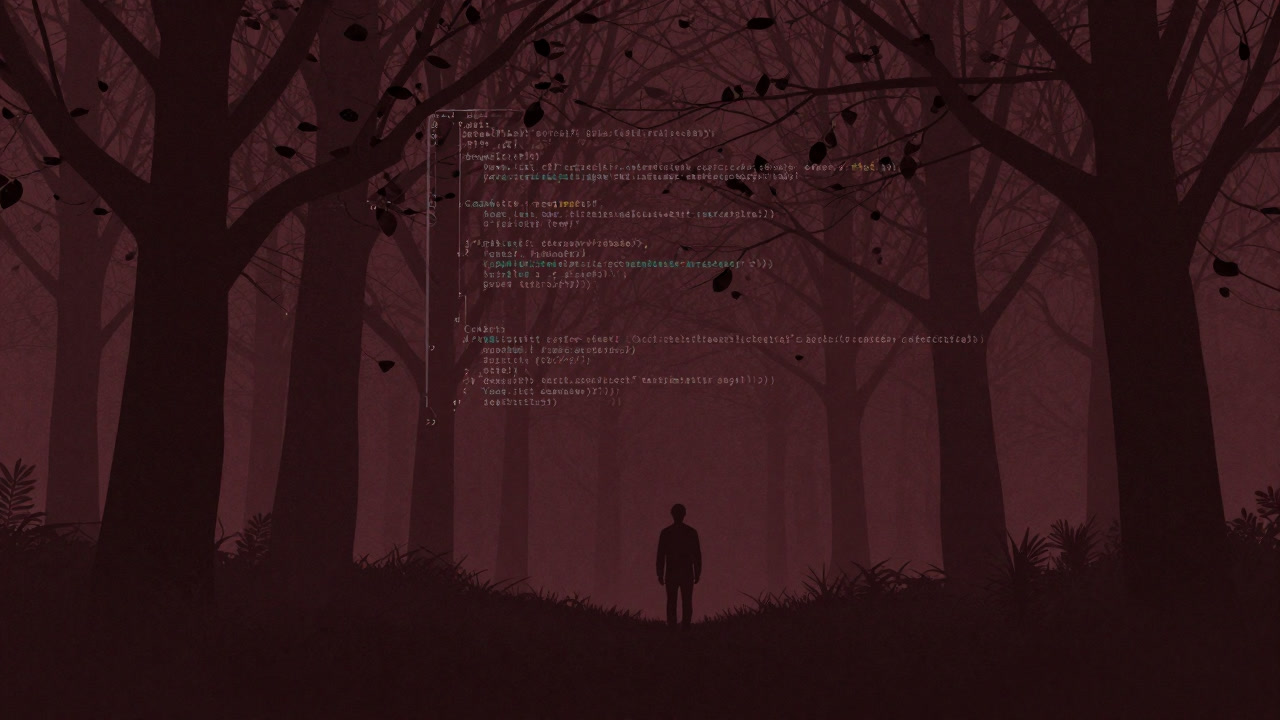
Description
Branching strategy is the audacious attempt to manage a deluge of chaotic commits by splitting development into multiple offshoots. When two developers edit the same file simultaneously, it triggers a splendid dance of merge conflicts. Long-lived branches become archaeological relics, abandoned ruins no one dares to merge again. The days before release are filled with tension and regret, resembling a ritual more than version control. Ultimately, the safest approach is to treat the master branch as if no one is ever allowed to touch it.
Definitions
- A kind of irresponsible delegation scheme that disperses uncertainty by splitting development progress into branches.
- A magical mechanism enabling parallel work, often accompanied by the ascetic torture known as merge conflicts.
- A time-capsule process that isolates patches and postpones risk into the future.
- A peace treaty providing false tranquility on the field by segregating unstable elements before release.
- Long-abandoned branches serve as tombstones adorning the graveyard of version control.
- Cultivating multiple perspectives in parallel, ultimately creating a dilemma where no one wants to merge.
- A ritualistic runaway that violently awakens the CI pipeline.
- A conveyor belt that fosters scapegoating: ‘It’s the branch’s fault it’s not working this week.’
- The moment commits hop from trunk to branch briefly grants developers a fleeting sense of peace.
- The act of uniting all branches into one is the most fearsome festival of all.
Examples
- “Deployment failed? Oh, feature/login branch apparently bloomed with conflicts.”
- “Stale branches piling up again… Should someone host a rebase festival?”
- “If you abandon a hotfix branch, it starts drifting like a ghost ship.”
- “Merge to master before testing? Brave move, you’ll regret it soon.”
- “CI passed? Don’t be fooled—that’s when the real hell begins.”
- “As long as develop branch is healthy, we’re good. Lately it’s looking a bit under the weather.”
- “release/v1.2? That’s from what, ancient history? A fossil?”
- “Branch wars have broken out: whose merge rights shall bring victory?”
- “Heard someone created feature/X and absconded again.”
- “Merge conflicts? The sacred ordeal engineers must endure.”
Narratives
- The release process, thought eternal, ground to a halt when a lone commit got lost in the forest of branches.
- Developers today once again stare at the endless branch list, cursing their own decisions.
- When the CI light fades, it signifies someone’s branch has fallen into darkness.
- The ritual of integration is the supreme torture performed under the gaze of many.
- On the eve of release, developers trembled after misconfiguring branch protection settings.
- A tragedy of unmerged branches becomes a legend etched in the annals of history.
- The proliferation of feature branches quietly heralded the project’s demise.
- Overinvesting emotion into a branch name turns it into a curse word later.
- An engineer drowned in a sea of git logs eventually becomes a bubble in the commit history.
- What was once the trunk is now swallowed by an ocean of twigs and leaves.
Related Terms
Aliases
- Branching Hell
- Commit Ghost
- Merge Torture
- Branch Maze
- Version Outlaw
- Ghost of Release
- Fork Fairy
- Conflict Factory
- Labyrinth of Code
- No-Return Branch
Synonyms
- Conflict Waltz
- Eternal Rebase
- Abandoned Branch
- CI Trap
- Git Snare
- Code Jungle
- Dev Labyrinth
- Relic Process
- Merge Curse
- Deployment Delay Device
Use the share button below if you liked it.
It makes me smile, when I see it.