Description
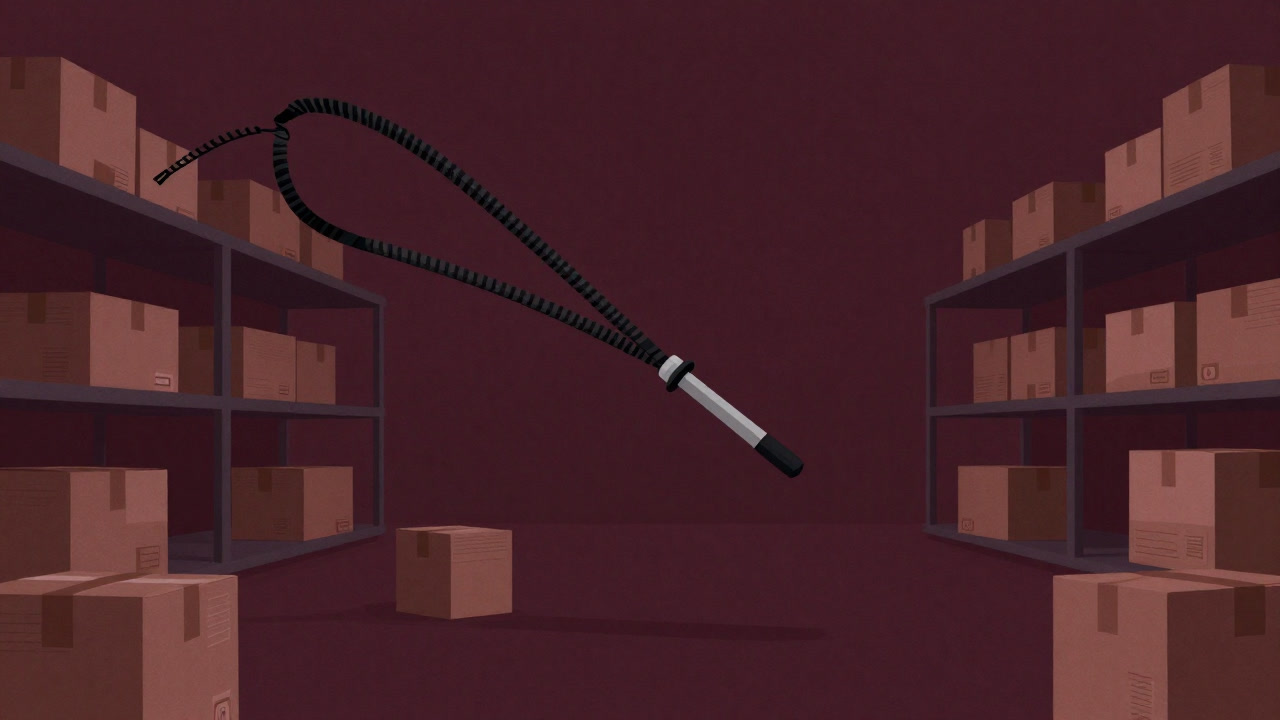
The bullwhip effect is the grand farce of supply chains where the slightest variation in customer demand is transmitted upstream and magnified into waves of inventory glut and scarcity. A mere tweak at the retailer level becomes, by the time it reaches the factory, a full-blown panic ordering spree. Companies declare mastery over demand forecasting even as they perpetuate the cycle of overreaction. It is the ultimate paradox of efficiency zealots sacrificing stability to chase precision.
Definitions
- A phenomenon where tiny customer demand changes are transmitted upstream like a whip, amplifying inventory chaos.
- The supply chain’s tragicomedy of telephone game ordering, where a retailer’s modest order becomes a factory’s panic buy.
- The irony of forecasting zeal: the more precision you chase, the more volatility you create.
- A law where, by the time order fluctuations reach higher tiers, they mutate into unrecognizable monsters.
- A self-reinforcing effect where attempts to avoid inventory risk only snowball that very risk.
- A darkly humorous rule: the longer the lead time, the more safety stock piles up in silent mockery.
- The “tail” of demand at retail swings as a “giant whip” upstream, mocking economic rationality.
- A physical metaphor that ridicules predictability with ever-widening variance upstream.
- A paradoxical offspring of corporate rationality, resulting in uncontrollable stockpiles.
- A business world’s intellectual horror show born from information distortion.
Examples
- “We saw a slight uptick in weekly sales, so someone thought doubling the order volume was brilliant. Now the warehouse is screaming.”
- “Bullwhip effect? Basically when a tiny shop order becomes a tidal wave by the time it hits the factory.”
- “Another inventory glut? Yes, retailers bought a bit more, and suddenly it’s a whip-cracking frenzy upstream.”
- “The demand planning team insists on ‘boosting safety stock,’ and the suppliers are grinning ear to ear.”
- “Can we please stop the runaway inventory costs? Oh wait, the bullwhip effect says otherwise.”
- “A 0.1% forecast error triggers an emergency production surge? It’s like hitting the panic button on a robot.”
- “The factory line stopped three times this month due to demand swings. Cheers to the bullwhip effect.”
- “Supply chain meeting? We chant ‘stability’ while sharing photos of our stockpiles.”
- “They upgraded the forecasting system, and now the oscillations are wilder. Brilliant.”
- “I suggested reducing orders; they replied ’that’s riskier.’ Feels like I’m getting whipped.”
- “At this rate, we’ll have oversupply instead of delays. The bullwhip effect is elegant.”
- “A minor end-customer promo keeps upper management up at night.”
- “Warehouse inventory growth captured on camera – our new corporate horror show.”
- “Bullwhip effect workshop? Ironically, attendees’ stock levels soared.”
- “Demand forecasting is a sacred ritual, with excess inventory as the ceremonial offering.”
- “Procurement head said ‘we’ll adjust,’ then instantly doubled the order volume. Classic.”
- “Promoting turnover rates while uncovering mountains of stock at audit time.”
- “Every retail move swings the whip, and upstream just takes the hits.”
- “Tried riding the demand wave, ended up whipped instead.”
- “Supply chain simulation? More like a real-time horror game.”
Narratives
- The bullwhip effect is the phenomenon where demand fluctuations whip through the supply chain, growing stronger as they move upstream.
- A slight uptick in retail orders morphs into dozens of times the volume at the factory—an economic mischief in action.
- Companies preach rational forecasting even as they fatten their inventory risks in the shadows.
- Each layer of safety stock piled on lures more market volatility in a destructive feedback loop.
- The unholy alliance of lead times and overzealous forecasts turns warehouses into tombs of obsolete stock.
- The more you tweak statistical models, the more hypersensitive the system becomes, spewing chaos in return.
- It eloquently demonstrates that supply chains are, at heart, a journey into uncontrollable chaos.
- Chasing predictive accuracy plunges businesses deeper into the pit of instability.
- The effect is the ironic payback for those who dare believe in predictability.
- ERP screens light up with red order quantities in a horrifying tableau from top to bottom.
- Cash flow crushes under the weight of excess inventory, leaving companies to nightmare fiscal scenarios.
- Excess stock gathers dust in warehouses, buying time until the next crisis arrives.
- Oversupply rarely invites new demand; instead, it accelerates market chills.
- A single market ripple triggers a global landslide across the supply chain layers.
- Suppliers stare at mountains of stock, desperately recalculating their next shipments.
- When demand cracks propagate, every firm dons armor of excessive safeguards.
- The cruelest irony is that it all starts in the name of ‘stabilization.’
- The bullwhip effect is a mirror that makes the fear of an uncontrollable future visible.
- Every tremor through multilayered supply chains strains upstream-downstream relationships with tension.
- And because no one wants to hold stock, everyone ends up holding too much—a tragedy on repeat.
Related Terms
Aliases
- Inventory Whip
- Demand Whiplash
- Forecasting Farce
- Order Charade
- Supply Chain Demon
- Stock Labyrinth
- Oscillation Festival
- Whip Law
- Prediction Hell
- Chaos Amplifier
- Warehouse Beast
- Economic Irony
- Ordering Rhapsody
- Amplitude Stage
- Inventory Parade
- Forecasting Trap
- Supply Madness
- Procurement Horror
- Demand Nightmare
- Stock Mirage
Synonyms
- Demand Chaos
- Order Frenzy
- Stock Hell
- Ripple Disorder
- Forecast Drift
- Overstock Syndrome
- Safety Stock Fatigue
- Lead Time Curse
- Demand Fabrication
- Warehouse Overgrowth
- Amplitude Hell
- Planning Calamity
- Inventory Overdrive
- Order Backfire
- Supply Diffusion
- Forecast Bug
- Chaos Protocol
- Demand Dystopia
- Inefficiency Festival
- Stock Black Hole
Use the share button below if you liked it.
It makes me smile, when I see it.