Description
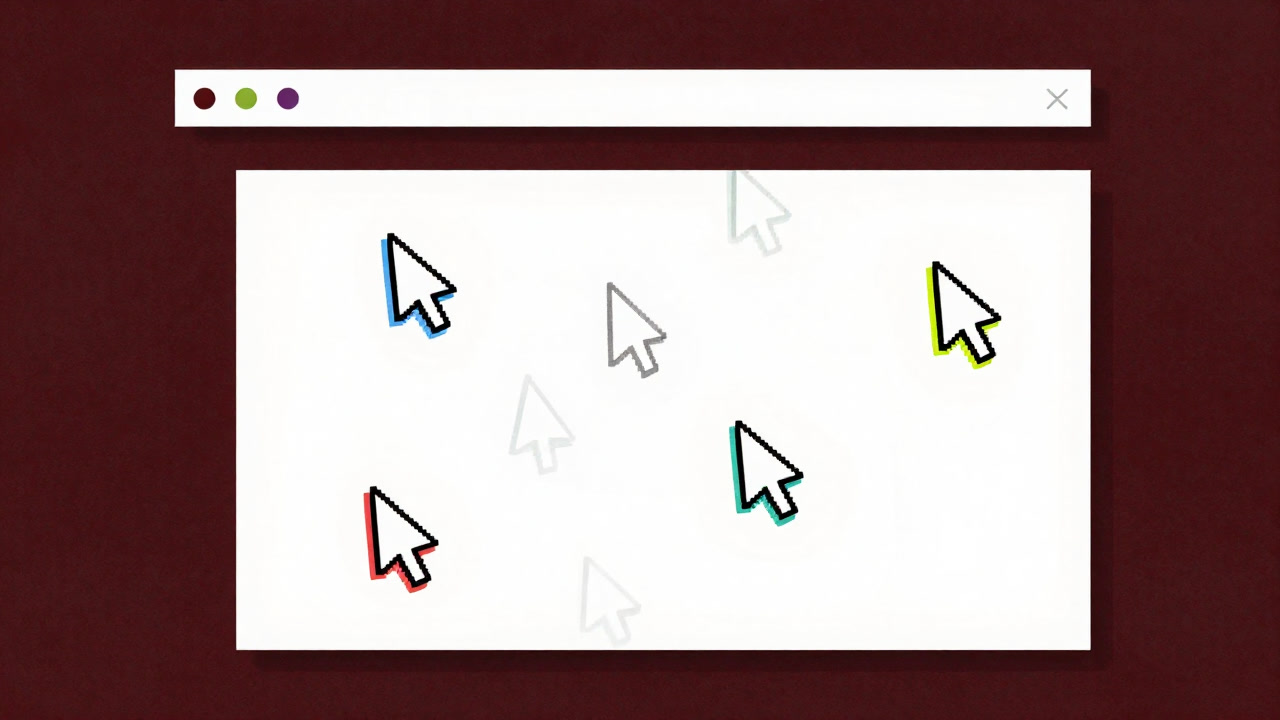
Document collaboration is the ritual of allowing multiple humans to simultaneously corrupt the same file, spawning endless conflict. Change logs become perpetual debates, and comments masquerade as constructive feedback while serving as tools for blame-shifting. On the screen it appears as a symbol of harmony, but in reality it is a nest of chaos and edit conflicts. Once completed, the document belongs to no one and stands as proof of collective abdication. Such a perfect ceremony of abdication is document collaboration.
Definitions
- Simultaneous editing: the ultimate teamwork method for magnifying each other’s mistakes.
- Collaborative editing: the act of dispersing irresponsible fixes under the guise of constructive criticism.
- Document collaboration: entertainment that consumes work time through history log competition.
- Real-time co-authoring: a small internal war where screens lock each other unintentionally.
- Comment feature: a mechanism to accumulate complaints no one will read.
- Change history: a digital vault preserving evidence for blame shifting.
- Version control: an eternal puzzle over who made the last chaotic edit.
- Permissions: the last fortress to block others’ edits, yet a trap locking oneself inside.
- Notification pop-ups: sirens heralding the destruction of peace.
- Real-time sync: an acrobatic show of everyone thrashing the same document at once.
Examples
- “I’ve edited this section; please merge it.” “I don’t really get your intention.”
- “I read your comment—does rejecting it because you hate my style count?” “I just want team spirit.”
- “Conflict detected again!” “Not my fault, you saved at the same time.”
- “Who keeps changing the verb here?” “I was showcasing team diversity.”
- “The lock won’t release…” “Relax, reload five times and it fixes.”
- “These notifications are annoying!” “They give us a sense of progress, right?”
- “The comment thread is chaotic.” “This is the fruit of open-door policy.”
- “Did you apply the fixes?” “I can’t commit without unanimous consent.”
- “Your changes make no sense.” “It’s called blessing creativity.”
- “I’ve added a new template.” “Who decided that—the team leader?”
Narratives
- The moment I opened the shared document, ten edit logs poured in like rain.
- Critiques from colleagues I’ve never met tore through the afternoon silence.
- Spotting a deleted comment, I instinctively hunted down its culprit.
- Each time I clicked save, someone else simultaneously fired their own beacon.
- A cell’s color changed without warning, as if negating my entire logic.
- With each new version named V7.3, the document drifted further from completion.
- Opening the link revealed an unrelated slide, like a trap snapping shut.
- A lone “OK” comment in the thread sometimes feels the most provocative.
- An anonymous editor readjusted line spacing, leaving a ghostly presence behind.
- Behind the scenes of collaboration, someone borrowed my words to inject sarcasm.
Related Terms
Aliases
- Real-Time Ruiner
- Edit-Hell Portal
- Comment Scatterer
- Simultaneous Chaos Zone
- Version Labyrinth
Synonyms
- Collective Destruction Session
- Irresponsible Editing Club
- History Log Wars
- Comment Front
- Collaborative Misdirection
Use the share button below if you liked it.
It makes me smile, when I see it.