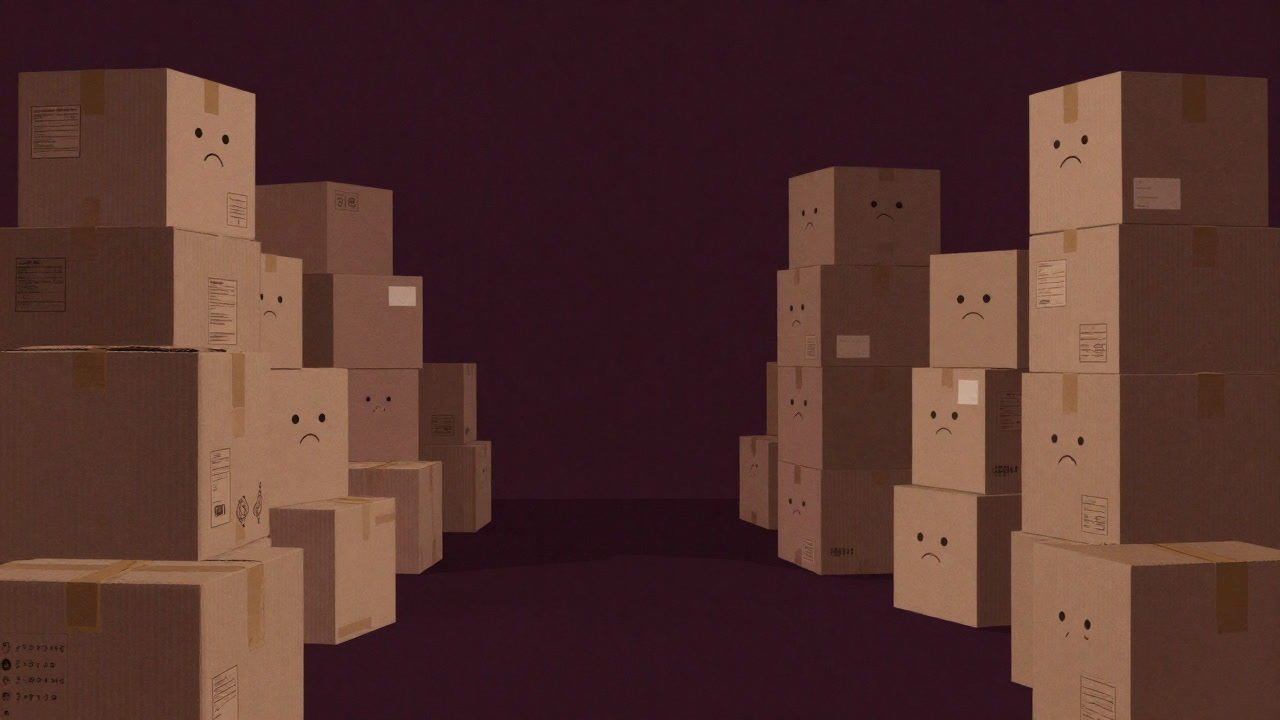
Description
Inventory is a sealed mountain of unsold assets, slumbering in the back of shelves and corners of warehouses, its only companions dust and time. It is a parasite questioning productivity, born of optimistic demand forecasts and boundless hope. Neatly aligned as numbers in ledgers, yet tragically stranded from the sales floor. It mocks efficiency at its purest, refusing to be useful until someone cares to notice. The moment it is most pointless, it proclaims its existence with the loudest silence.
Definitions
- A perpetual machine for counting unsold goods.
- A contraption that stores hope of eventual sale alongside the reality of perpetual stagnation.
- The shadow star that gains fame only on stocktaking days.
- Ghost liabilities that weigh heavily on ledgers yet are touched by no hands.
- The more it grows, the deeper the wrinkles it carves into a manager’s brow.
- An invisible cancer that distorts sales forecasts and devours warehouse space.
- The one thing feared equally by shippers and accountants.
- Boxes stuffed with consumer indifference.
- A prison of numbers that knows no rest.
- A lump of sorrow that remains hidden for fear of discovery.
Examples
- “Stock increased again? Yes, the mountain of slumbering goods in the warehouse weighs as heavy as my soul.”
- “Your inventory system? It’s a magical box that counts jealousy and despair along with stock levels.”
- “Customer feedback? First, I’d like to hear the inventory’s complaints.”
- “Order quantity? I decide it on a scale balancing my desire to purge inventory against rational demand.”
- “Stocktaking day is the annual horror film—real thrills guaranteed.”
- “Unsold stock is like a spy hiding corporate secrets.”
- “Inventory has no expiration date. Consumer interest does, however, and it ends fast.”
- “Reducing inventory? It’s an epic war between management’s ideals and brutal reality.”
- “Demand forecasting? If we could see the future, inventory wouldn’t pile up like this.”
- “Zero inventory? The delusion of merciless dreamers.”
- “Hear that? The inventory crying from the back of the shelf.”
- “I want to let the stock roam free on the sales floor like pastured cattle.”
- “Logistics folks say they’re sleep-deprived because of inventory.”
- “Excess inventory? It’s a risky asset companies invested in the future with.”
- “Returned stock is like a lover who’s closed off their heart.”
- “A moment of silence for the inventory doomed to rot unnoticed behind new product launches.”
- “When the inventory system falls out of sync, the real hell begins.”
- “Without inventory, salespeople couldn’t even lie.”
- “Opening the inventory spreadsheet is the ultimate horror moment.”
- “After finishing stocktaking, I feel like an invincible hero.”
Narratives
- Deep in the warehouse, dusty inventory clings to the broken logic of ‘maybe someday someone will buy this’.
- In board meetings, they say inventory isn’t profit, yet no one dares to suggest disposing of the mountain of goods.
- The chant of reduce inventory is actually a license to look away from the terror sealed in the back shelves.
- Products packed in cardboard are ambiguous creatures, swaying between consumer desire and indifference.
- The end-of-month stocktake is a ritual where numbers clash with reality, a crucible testing one’s survival skills.
- When inventory data goes out of sync, the world seems to fracture for a brief, unsettling moment.
- When a sale begins, inventory bathes in the light of hope, only to sink back into the darkness of oblivion afterward.
- Each unsold item widens the graveyard of corporate optimism one more notch.
- Inventory is the ghost of the warehouse, sustaining its existence in unseen cracks between shelves.
- Returned stock is a box filled solely with past failures and lingering regrets.
- Updating the ERP is like setting new traps in the labyrinth called inventory.
- As stock levels rise, the air in the meeting room grows heavier, as if weighed down by the goods themselves.
- Someone’s ordering mistake increases inventory, yet the blame never survives in anyone’s memory.
- Every time a product is taken from the shelf, managers delude themselves with a fleeting sense of salvation.
- Excess inventory is the leftover unit born from the clash between business expansion dreams and reality’s wall.
- While running out of stock is feared, overstock is the embarrassing proof of planning failure.
- Closing the warehouse door unleashes a silence that echoes the battlefield of inventory.
- Inventory is a prison of time, where trapped goods dream of eventual liberation.
- Hundreds of thousands of stock list entries form a dark art piece beyond human comprehension.
- The last line of the inventory sheet may not read END as usual but might just scream AGONY.
Related Terms
Aliases
- Dust Mountain
- Dead Stock Army
- Ghosts of the Shelves
- Warehouse Wraith
- Ledger Zombie
- Shelf Specter
- Sleeper Asset
- Prisoner of Demand
- Boxed Despair
- Number Prison
- Unwanted Relic
- Backroom Conspiracy
- Lead Time Curse
- Black Box
- Packed Despair
- Residual Legion
- Desire Graveyard
- Overstock Party
- Future Liability
- Lost Unit
Synonyms
- White Elephant
- Burden Bunch
- Sale Reject Device
- Oblivion Box
- Accounting Nightmare
- Logistics Monster
- Consumer Neglect Club
- Shelf Prison
- Unforecasted Gear
- Lazy Pack
- Boxed Grudge
- Timestamp Capsule
- Warehouse Graveyard
- Eternal Sales Avoider
- Data Tomb
- Load Curse
- Sale Rejection Army
- Warehouse Lost Child
- Silent Loser
- Song of Infinite Surplus
Use the share button below if you liked it.
It makes me smile, when I see it.