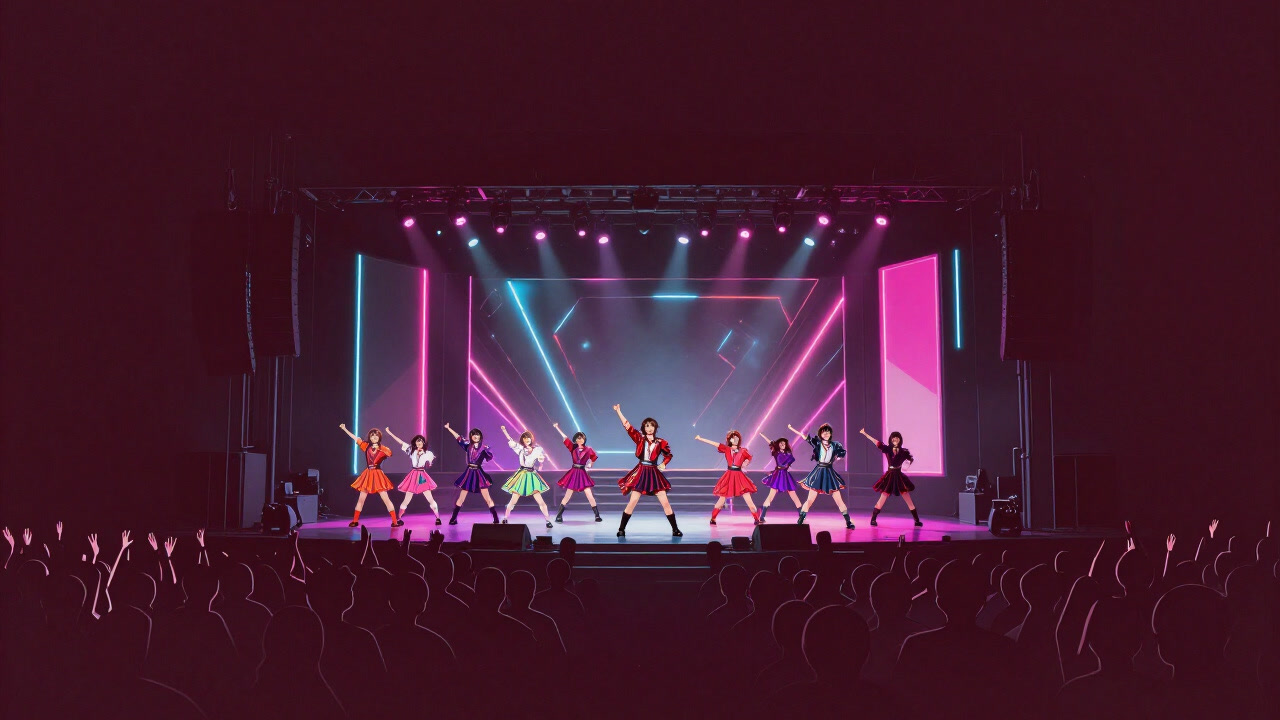
Description
J-POP is a lightweight emotional seasoning masquerading as domestically produced popular music. It slips into the crevices of your ears, only to reveal you dancing to a corporate marketing strategy. Lyrics are stitched together like sitcom dialogue snippets, while the sound tickles the brain like mass-produced, colorful candy. At live shows, a sense of communal fulfillment is traded for manufactured euphoria, with official merchandise lining the exits like commercial decorations. A wandering specter of pop culture trapped between art and consumption.
Definitions
- A three-minute emotional export device condensing corporate capital theory into melody.
- The marketing ultimate weapon blending idol appeal with addictive hooks.
- Musical therapy that strips lived experience from lyrics to offer ersatz happiness.
- An audio commodity whose worth is dictated by the magical metric of stream counts.
- A harvest festival that reaps viewers’ empathy through mini-dramas disguised as official music videos.
- A social rite that transforms concert halls into one-night communal gatherings.
- A festival of emotions fueled by the raw material of fan expectations.
- A mirror of consumer culture exposing the chasm between concept and reality.
- A trap artfully designed as an ear cage from which there is no escape once entranced.
- A surrogate economic indicator that sways the growth rate of the music market.
Examples
- A: “What’s your commute BGM today?” B: “J-POP again? Feels like a corporate jingle soundtrack.”
- “J-POP is just a curated package of mass-produced emotions, isn’t it?”
- “This new single really reuses lyrics like there’s no tomorrow.”
- “Concert tickets? More like a consumer certificate for dedicated followers.”
- “Bought the CD and got a handshake ticket. What was the value of music anyway?”
- “Lyrics: ‘I love you’. Melody: ‘More!’. Sales: ‘Explosion!’”
- “Telling listeners to jump at the chorus—first time music imposed exercise on its audience.”
- “J-POP idol schedules are a masterpiece of near burnout art.”
- “They remixed the same melody again just to hike the price.”
- “Music that satisfies Instagram aesthetics and the thirst for likes simultaneously—that’s J-POP.”
- “Fests? Just sponsor ads with a karaoke chorus.”
- “Streaming endlessly on subs tonight—what do you gain in the end?”
- “The MV set is basically a microcosm of a theme park.”
- “Karaoke rooms always filled with the J-POP section—who’s really benefiting?”
- “Announcements for new tracks in 15 seconds, midnight release drops are de rigueur.”
- “This song’s fully in the pocket of corporations and industry associations.”
- “Limited editions? More like addiction tickets with a clever disguise.”
- “Fan meetings: not conversations but brand life-extension rituals.”
- “Advertising on the back of lyric booklets—there’s no choice but to laugh.”
- “J-POP is a drug stimulating consumption, not the ear.”
Narratives
- J-POP playing through the streets acts like a 24/7 emotional vending machine soundtrack.
- Release day is sacred yet treated as a one-night-only festival, discarded as yesterday’s relic by dawn.
- Announcing streaming numbers on social media spawns a fiction rivaled only by competitive sports.
- Mountains of official merchandise at concert venues become monuments to consumption more than music.
- Open a lyric booklet, and you find a strange realm where fantasy meets corporate logos.
- Obsessively tracking chart positions resembles travelers searching for water in a desert.
- Units formed on audition shows are launched into the world as perfect disposable products.
- The sound pressure of J-POP fills emotional voids while simultaneously creating a deeper emptiness.
- Radio DJs juggle roles as product promoters and emotional navigators, a dual act of modern jesters.
- Moments of silence are mere intros meant to herald the next hit.
- During promotion periods, songs parasitize every media outlet like unstoppable zombies.
- Fan cheers are not applause but the grinding gears accelerating economic turnover.
- The onslaught of cover songs rings like a death knell for creativity.
- Movie theme songs function more as commodifiable symbols than true representations of their films.
- Train station ads stand at the crossroads of a micro-market hunting for the next impulse buy.
- Single-length restrictions exploit the limits of human attention in the name of marketing.
- In the digital streaming era, J-POP is like fast fashion consumed in an instant.
- Performers’ expressions often remain nothing more than produced performances.
- Music video set designs are constructed as advertising-first architectural pieces.
- Audiences surrender to the next hit, quickly erasing memories of previous releases.
Related Terms
Aliases
- Emotion Vending Machine
- Corporate Biofilm
- Addiction Inducer
- Business Ramen
- Ear Narcotic
- Polite Smile Beats
- Stream Count Overlord
- Disposable Idol Hymn
- Distributed Emotionality
- Heart Catch Machine
- Mass-Produced Ear Candy
- Youth Package
- Catchiness Factory
- Sentiment Biomass
- Lyric Shard Bouquet
- Endless Refrain
- Chorus Overlord
- Empathy Subscription
- Official Ritual Music
- Memory Simulator
Synonyms
- Auditory Brainwash Beam
- Commercial Harmony
- Pandemic Blast
- Emotion Mass Producer
- Ribboned Rhythm Gift
- Sales Performer
- One-Hit Wonder Support
- Ear Canal Invader
- Heartbeat Trigger
- Corporate Singalong
- Digital Romance
- Lyric Video Box
- Audio Festival
- Emotion Float
- Consumer Entertainment
- Association’s Spawn
- Hit Copy
- Teaser Track
- Performance Commodity
- Single Juice
Use the share button below if you liked it.
It makes me smile, when I see it.