Description
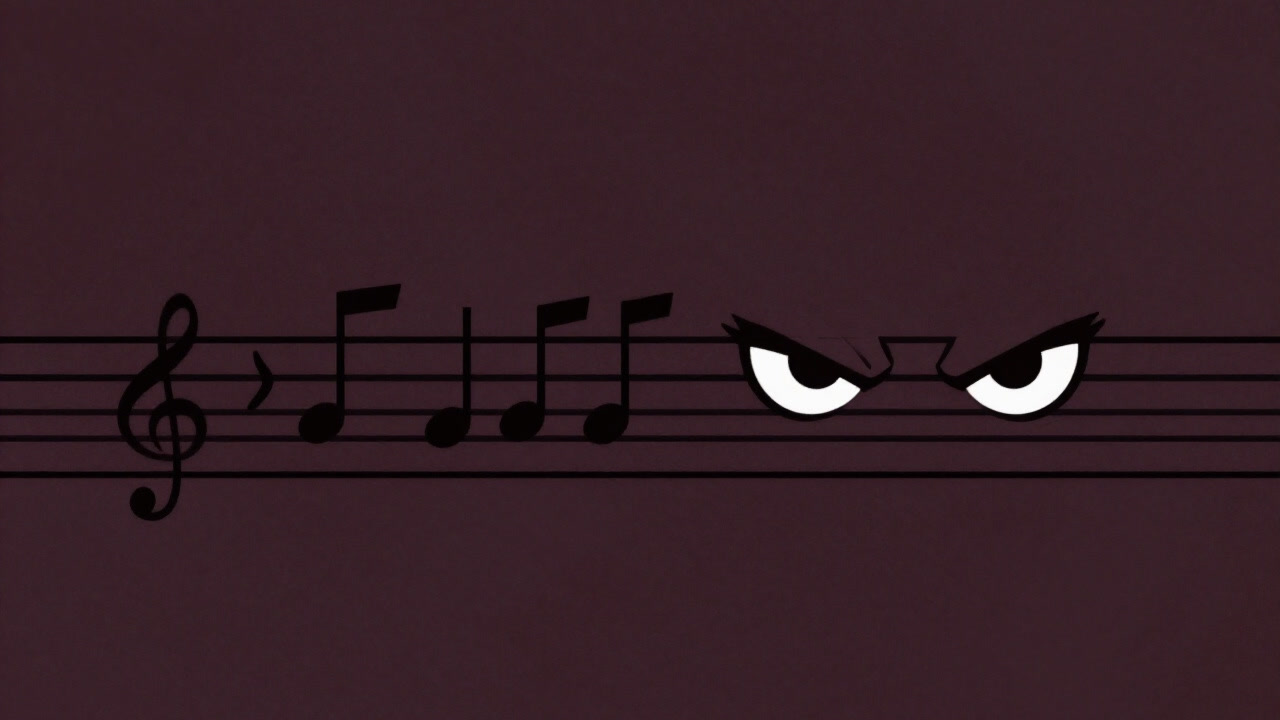
A key signature is a tiny sentinel in the corner of the staff enforcing the grand lie of tonality. It swiftly denies the freedom of notes, trapping the fingers of the performer within predetermined confines. Wielding sharps and flats, it cages eternal melodies in the prison of order. Those who open the score dread its gaze, yet are unwittingly compelled into obedient execution. When the page is closed, they taste a fleeting freedom—only to be greeted by a new key signature soon after.
Definitions
- A key signature is the prison that grants authority to a scale and exiles the heresy of semitones.
- An invisible judge convicting innocent notes, branding accidental outsiders as criminals.
- The doctrinal symbol compelling performers to recite the commandments of tonal faith.
- A student’s invention without a physical key, locking musicians in the kingdom of a single tonality.
- Evidence of composers’ fear of chaos, chaining sound with the bond of order.
- A signpost guiding lost melodies back to the sanctuary of familiar tonality.
- A magical incantation relieving performers of the chore of hunting for accidentals.
- A preemptive strike sealing escape routes from modulation nightmares at first glance.
- A surveillance camera granting audience peace while secretly amplifying performers’ anxiety.
- An illusion of stability that binds sound, forbidding the embrace of instability.
Examples
- “Three flats in the key signature? That’s motivation crushed in a heartbeat.”
- “The moment I see the key signature, my fingers want to run away.”
- “Modulate? Change key signature? My heart can’t handle that preparation!”
- “A mere decoration? Ha! My fingers are mercilessly bound.”
- “Five sharps? One can almost see the composer’s sadistic grin.”
- “Key of C major today—chains of comfort loosen for a moment.”
- “Mess up the key signature and it’s game over; it’s the performer’s lifeline.”
- “Checking the key signature is the first and scariest task of any piece.”
- “Follow the key signature? Apparently, freedom isn’t on the menu today.”
- “The instant I disregard the key signature, I thought I heard the score revolt.”
Narratives
- When opening the score, the first thing to stare back is the key signature: a tiny devil trampling the performer’s pride.
- Confirming the key signature is a pro-level harassment, intentionally accelerating the player’s heartbeat.
- Sharps and flats lined up on the staff are battle flags, rewriting chaos into order.
- Even in a peaceful piece with no modulation, the key signature lurks as a shadowy overseer.
- The moment you start playing without the key signature, the score echoes as if performing a ‘Fugue of Revenge.’
- One night, a mistyped key signature produced a note that haunted the room, forever etching shame onto the performer.
- The little boss called the key signature glares coldly from the corner of the staff.
- In a sight-reading concert, seeing the key signature once can make a musician momentarily lose their sense of purpose.
- The key signature is either the ticket to the fortress of music or the key to an instrument of torture.
- Composers dispatch the key signature as a saboteur to seize control of the entire piece at whim.
Related Terms
Aliases
- Tonal Warden
- Scale Sheriff
- Semitone Hunter
- Order Keeper
- Staff Enforcer
- Notation Eye
- Music’s Fence
- Key Signature Demon
- Chain of Order
- Pitch Cop
Synonyms
- Ten Commandments of Tone
- Key Mark
- Tonal Brand
- Pitch Fingerprint
- Tuning Edict
- Notation Foundation
- Scale Seal
- Sound ID Tag
- Safety Device of Scales
- Score Fingerprint
Use the share button below if you liked it.
It makes me smile, when I see it.