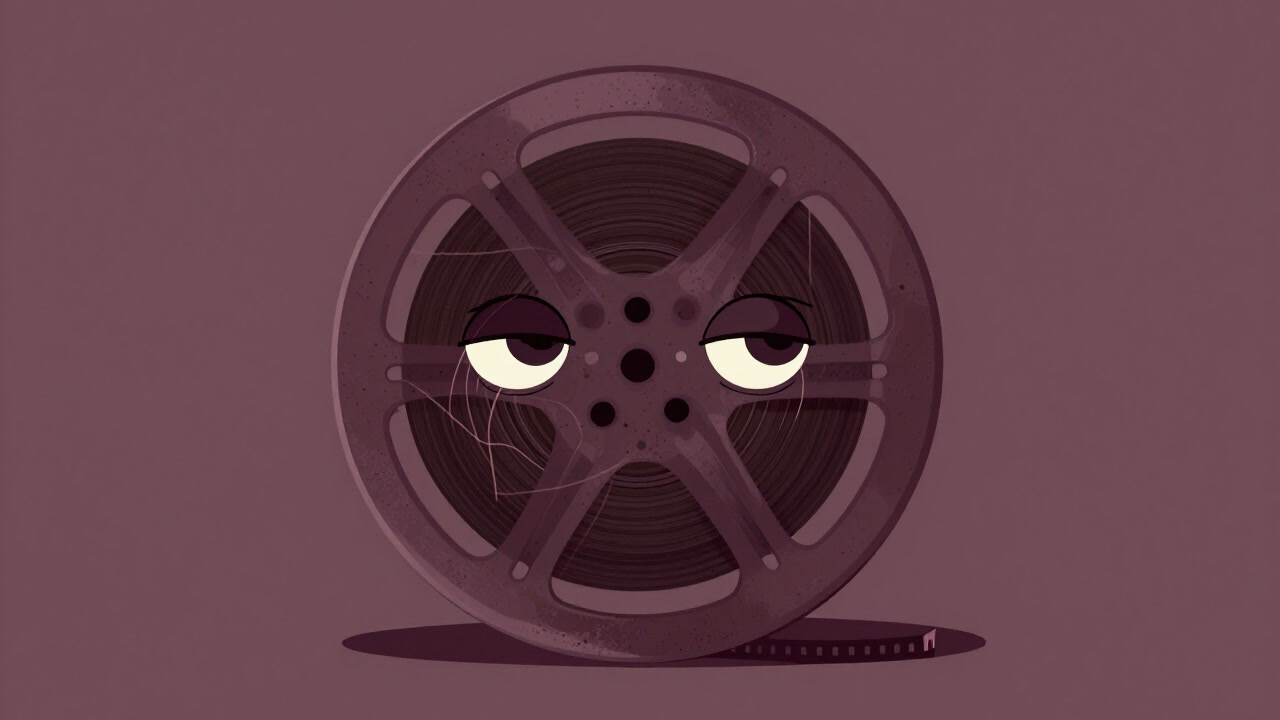
Description
A remake is the art of clinging to past glory and re-presenting an existing story under the guise of a second birth. It parades a once familiar world in different attire, feigning to rekindle audience enthusiasm. In reality it is a ritual of forsaking creation and clinging to the shackles known as comfort. The glory veneer painted on the corpse of originality only accentuates the underlying contradiction.
Definitions
- A ceremony of re-wrapping an aged masterpiece in fresh packaging.
- A method of delegating the success of a once novel idea to the demand for nostalgia.
- An industrial shortcut that prioritizes comfort over creation.
- A technique of glorifying only the memory of the original while cunningly concealing its flaws.
- A theatrical replay that reproduces old lines with new faces.
- A time travel-like brainwashing that forces historical artifacts onto the modern audience.
- A chaotic patchwork that forcibly attaches novelty labels to an existing script.
- A shortcut marketing strategy that borrows past icons to garner attention.
- A perfunctory performance art that masquerades as originality.
- A sentimental form of commercialism that exploits the audience’s nostalgia.
Examples
- “Another remake? My wallet and my memory are already bruised.”
- “They say this film surpasses the original? Well… better not hold my breath.”
- “Tell me exactly what changes when the only thing different is the director.”
- “A remake? Just reselling a known boredom in new packaging.”
- “Cheap nostalgia, the pinnacle of commercialism.”
- “Original fans? They’re complaining long before the remake starts.”
- “Marketed as new generation but at its core it’s the same old tale.”
- “You might as well buy the original with the money you spend on remakes.”
- “Watching that iconic scene again? My tears have dried up.”
- “Keep the script intact and distract with shiny effects—that’s the trend.”
- “Hear that familiar melody again. The emotion is thinner the second time.”
- “Viewers unable to escape nostalgia still fill the theaters.”
- “Marketing hype is grand, but the content feels like flea market junk.”
- “Who expects genuine surprises? Everything feels déjà vu.”
- “Think more action makes it better? The lifeline is still the original.”
- “Remake pitch meeting? Agenda: ‘Make it flashier than last time.’”
- “Critics are harsh on remakes because they’re always measured against the past.”
- “It’s business, sure, but telling me it doesn’t hurt is a lie.”
- “A second serving of the same meal—is it virtue or sheer laziness?”
- “What you get from a remake is comfort in nostalgia and loss of novelty.”
Narratives
- In a darkened theater, the trailer for yet another remake filled the audience with a collective sigh.
- The director baited tickets with nostalgia, and the crowd savored its poison as sweet.
- On the remake set, writers spend days simply sticking post-it notes onto an old script.
- A single nod to the original at the start is all the respect shown before flashy spectacle takes over.
- Viewers in their minds start comparing, and the remake is always doomed to lose.
- At pitch meetings, two phrases dominate: again and risk avoidance.
- Youthful recasting provides visual novelty, but the bones of the story remain weathered.
- On release day, social media turns into a battlefield of praise and disappointment.
- The screenwriter spots their name in the credits while apologizing silently to the original author.
- Rising budgets prove that remakes leverage old assets yet purchase new risks.
- Nostalgia is converted into cash and collected as a reliable annual dividend.
- A remake is a machine for replaying the past and a blade that discards the future.
- After the credits roll, someone will inevitably whisper that the original was better.
- Fusing modern effects onto an aging script symbolizes technological progress and narrative stagnation.
- The director’s goal is distilled to buzz, while artistry becomes optional.
- On the remake stage, even the crew forgets where the original ends and the new begins.
- Audiences search the screen for their past selves and find a profound loneliness.
- Promotional copy promises fresh interpretation but often delivers only new color grading.
- Supporters and opponents clash on social media, a debate without end.
- With each remake announcement, the industry wavers between applause and lamentation.
Related Terms
Aliases
- Nostalgia Peddler
- Past Vampire
- Second Serving Minister
- Copycat Artist
- Repackage Dealer
- Original Lender
- Reprise Prisoner
- Time Travel Con Artist
- Risk Averse Advocate
- Comfort Zone Enthusiast
- Return Maniac
- Déjà Vu Machine
- Courage-Free Philosopher
- Creation Shortcut
- Comfort Exchange
- Memory Extractor
- Repurpose Craftsman
- Melancholy Merchant
- Imitation Concerto
- Recast Performer
Synonyms
- re-quotation
- past prep
- existing reheating
- old-friend revisit
- nostalgia gloss
- comfort loop
- imitation theatre
- time reversal
- dead-wood new buds
- memory fill
- sanctuary standby
- reprinting
- familiar flavor
- sentiment mode
- asset recycling
- unnecessary retry
- safety first
- conservative art
- pseudo original
- deja-vu fest
Use the share button below if you liked it.
It makes me smile, when I see it.