Description
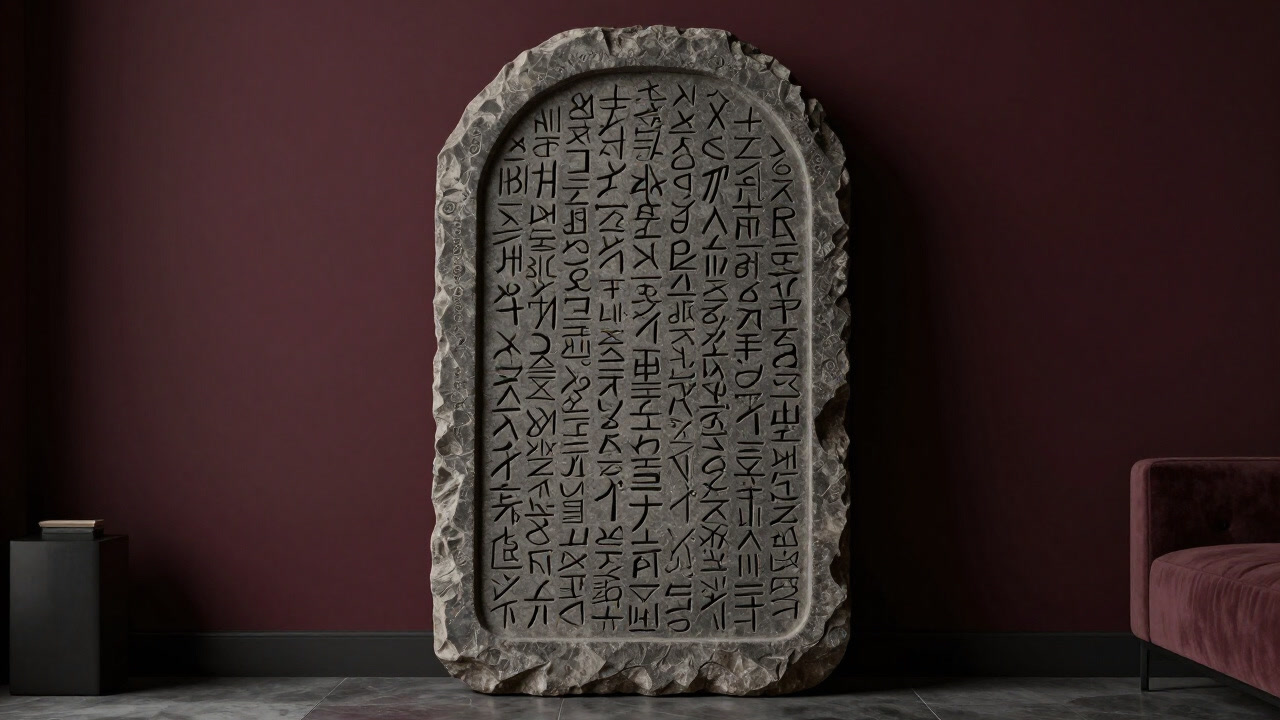
A rune is an ancient letter carved by Norse ancestors, yet in modern times it has been repurposed as a tool for self-help and Instagram aesthetics. It proclaims to reveal arcane secrets, while most users attach it to fantasy novels and fortune-telling apps without understanding a single symbol. Believed to alter fate when inscribed, it often ends up as a metal trinket of self-satisfaction, shared with pretentious hashtags on social media. It promises transcendence through stones or wood, while relying ironically on pre-upload filters for its miraculous effects. Under the guise of revealing truth, it actually serves as a medium to broker other people’s heartfelt poems and the coveted ’likes.'
Definitions
- A symbol said to carry ancestral wisdom, yet in modern times it merely imprints self-esteem and like counts.
- Believed to boost fortune when carved into stone or wood, its real market lies in trendy home decor.
- An arrangement of inscrutable lines valued more for ornamentation than decipherment—a relic fashion statement.
- Chanted like a spell for effect, lasting only until the next selfie upload.
- An excuse icon for fantasy enthusiasts to claim ancient sacred rites.
- An excellent device for staging mystery, utterly useless for seeking genuine truth.
- A versatile ancient script also used as name tags at self-help seminars.
- Marketed as arcane magic while fueling modern life coaches’ cash cows.
- Proclaims harmony with nature yet mass-produced as plastic energy stones.
- Conveys a sense of tradition, but its true value lies in online marketing strategies.
Examples
- “They say wearing this rune brings luck. Want to test it for your next job hunt?”
- “Meaning? Don’t mind that. It’s the carved vibe that counts.”
- “The fortune-teller says this rune symbolizes a boost in love luck.”
- “But if it doesn’t look good on Instagram, what’s the point? That’s why I got the gold-plated version.”
- “Teach me how to read runes and I’ll go viral on my blog.”
- “Lunchtime rune reading? Today’s symbol says ‘sandwich’.”
- “I had a penny rune pendant, and my boss oddly praised it.”
- “Don’t like this shape? Just smile and say it wards off evil.”
- “Rune stones? Aren’t those just painted clay?”
- “Studying ancient scripts? You’re just chasing likes, aren’t you?”
- “Nobody understands the meaning. That’s what makes it mysterious.”
- “At a seminar they said ‘discover your rune,’ but all I discovered was my credit card bill.”
- “I gave her a rune-engraved ring—she returned it immediately.”
- “A charm? I just want to display it on a plate.”
- “The rune images in that fortune app have filters so heavy you can’t recognize them.”
- “I put a rune at my doorstep; the cat shredded it.”
- “Weekend rune reading party? They’re racking up viewers on Insta Live.”
- “Framing a bunch of random lines—how delightfully subcultural.”
- “This rune? Looks like three random strokes to me.”
- “Next month’s fortune? The rune said ‘cloudy’.”
Narratives
- Runes carved on ancient stone tablets now adorn modern condos as mere interior decor, unread by anyone.
- A self-proclaimed descendant of sorcerers hosts rune-decoding seminars requiring upfront fees.
- Each tarot-like pull of a love-luck rune card only stacks anticipation against credit card charges.
- Rune readings trending on social media are just spectacles that cosplay ancient scripts with effects and taglines.
- If real ancient magic lay within runes, my phone battery would recharge itself.
- Printing rune symbols on T-shirts completes one’s self-help journey via wearable gadgets.
- Etched rune stones on shop shelves provide simultaneous ‘authenticity unknown’ anxiety and ’likes’ reassurance.
- Rune manuscripts found deep in mountains sold as NFTs before landing in a museum.
- Accessories promising to ‘carve fate’ are branded by influencer stealth ads before carving even begins.
- Rune reading outcomes link faithfully to participants’ desires and the instructor’s subscription model.
- Handmade rune charms flip for high prices on craft sites, swinging between tradition and capitalism.
- Freelancers proliferate, offering rune chart translation services at a smartphone photo’s tap.
- Runes that ‘channel auspicious flow’ closely resemble a subscription that needs monthly renewal.
- Instructors flood social media with rune explanations, one promo after another.
- Rune stones carved without understanding remain nothing more than garden ornaments.
- Veteran otakus in rune fan clubs dismiss newbie questions with a curt ‘Go google it.’
- Runes digitized in fortune apps lose originality with a single swipe.
- Books on rune symbolism are mostly reprints of the same text under different colored covers.
- Charms hinting at secret rites are actually just vending-machine plastic capsule models.
- A quest for truth via rune studies often ends up as freelance writing side gigs.
Related Terms
Aliases
- Self-Promotion Engraver
- Mystery Three Lines
- Luck Con Artist
- Self-Help Device
- Spell Filter
- Poem Broker
- Ancient Fashion
- Metal Trinket
- Ritual Cosplayer
- Like Contractor
- Fortune Apparel
- Digital Talisman
- Inscrutable Token
- Trending Pebble
- Energy Chip
- Magic Sticker
- Mythic Decal
- Ego Carver
- Mystery Talk
- Subscription Stone
Synonyms
- Fate Chip
- Curse Ornament
- Self-Help Elixir
- Ancient Monogram
- Magic Update
- Poet’s Pal
- Gacha Stone
- E-Curse Series
- Filter Charm
- Cyber Rite
- Mood Stone
- Divine Byte
- Myth Label
- Palm Relic
- Hashtag Sigil
- Anon Oracle
- Magic Enterprise
- Digital Ritual
- Ego Igniter
- Illusion Booster
Use the share button below if you liked it.
It makes me smile, when I see it.