Description
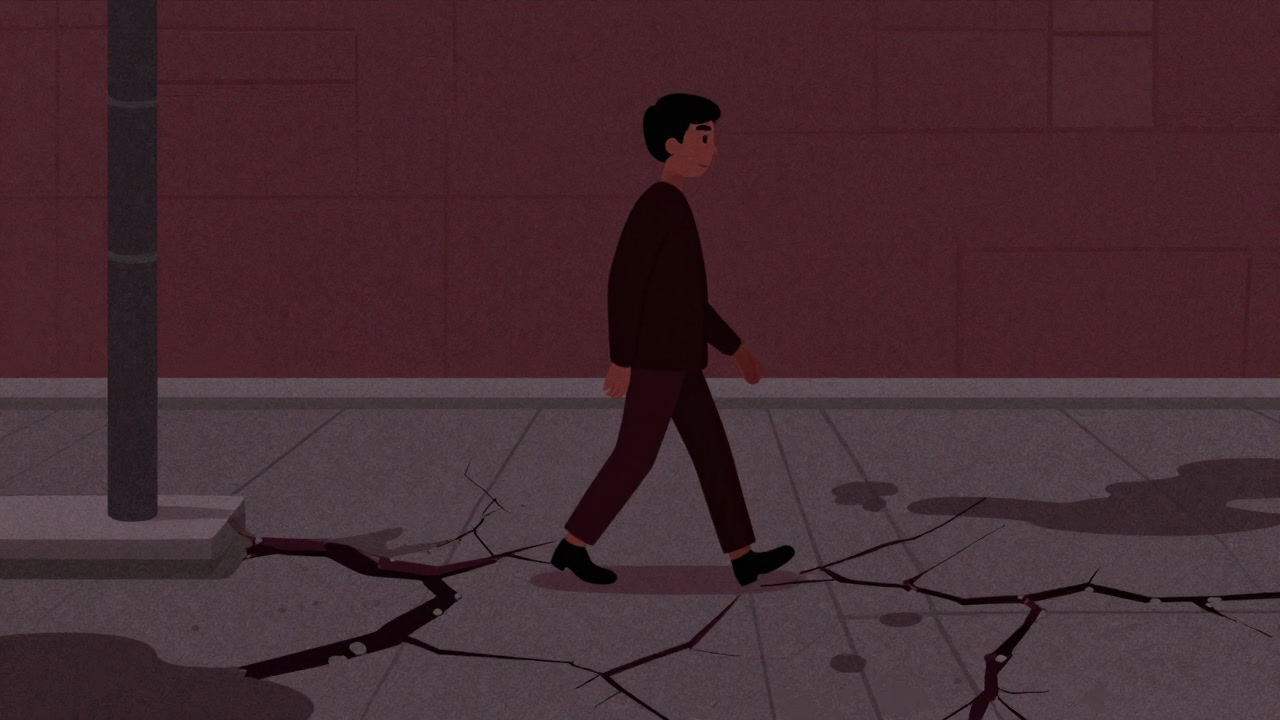
Walkability is the urban alchemy that transforms cracked sidewalks into adventurous obstacle courses. It tests one’s tolerance for surprise potholes as if each stumble were a curated experiential event. Municipal planners adorn their glossy metrics with colorful graphs, elevating every pedestrian to a data point in a grand sociological experiment. The pinnacle of walkability is achieved when no two citizens choose the same route, orchestrating a miracle of diversity in reluctant urban exploration.
Definitions
- Walkability is the urban metric that rebrands sidewalk cracks as fresh attractions.
- Walkability measures the heartiness of pedestrians who see every stumble over a step as part of the plan.
- Walkability is the pavement gauge that grants liberty to test puddle-dive techniques after a rain.
- Walkability is the design philosophy that welcomes walkers into blind spots with open arms.
- Walkability is the magic that transforms a straight, escape-free road into an exploration adventure.
- Walkability is the city’s staging device for orchestrating route diversity among its inhabitants.
- Walkability is a public fitness service using gradients and stairs as human endurance tests.
- Walkability is the element of urban theater that plays with darkness and lamplight to create thrills.
- Walkability is the agrarian model that cultivates passenger patience through repeated red lights.
- Walkability is a civic education program that boosts stress resilience via route optimization quests.
Examples
- “Walkability here? The pavement doubles as a treasure hunt arena.”
- “I feel like they’re testing my sprained-ankle tolerance before measuring walkability.”
- “Standard walking speed? More like racewalking at every step.”
- “Welcome to the free post-rain puddle marathon, open to all.”
- “The sidewalk roots feel like a woodland stroll—minus the woodland.”
- “Shortest route contest: dodge the potholes or lose.”
- “Night lighting so dim it’s basically a horror attraction.”
- “Improving walkability? Maybe start by filling the cracks.”
- “Free citizen training: build patience through endless red lights.”
- “Stair intervals: the urban fitness trend you never asked for.”
- “Elevator? Nah, walking is the official exercise deprivation cure.”
- “Sinkhole-style drains are all the rage for thrill-seekers.”
- “Does the city hall even take the walkability exam themselves?”
- “The maze-like crosswalk brings you back to where you started—magic!”
- “Better tell people it’s fun to detour, or they might revolt.”
- “Budget cuts for pavement repairs just add to the adventure.”
- “They chose brick for sidewalks as part of the scare factor, obviously.”
- “Walkability hacks: take a map and enjoy self-guided peril.”
- “Walkability summit? Looks more like a field trip to pothole central.”
- “This city’s walkability couldn’t even make an urban legend.”
Narratives
- After rain, the sidewalk becomes an aquatic obstacle course, renewing pedestrians’ reverence for every step.
- In poorly lit residential alleys, the illusion of walkability vanishes like steam off wet asphalt.
- Every crack in the pavement spawns a branching maze, luring walkers into an urban labyrinth.
- Counting red lights trains citizens in patience and stress endurance, minute by tedious minute.
- The mix of staircases and roadways constitutes the city’s compulsory crossfit challenge.
- Signs proclaiming guardrails test pedestrians’ resolve like a broken telephone line of expectations.
- Pedestrian overpass inclines are not mere conveyances but badges earned by conquering an ordeal.
- The supposedly shortest route on your map app is in fact the most exhilarating danger zone.
- Pedestrian signals beat the city’s rhythm, enforcing social coordination in the waiting masses.
- Mud puddles carved by raindrops become the free wet roads gifted by urban design.
- Sidewalk tile patterns tell tales of designers’ mischief and a budget cut’s cruel sense of humor.
- Park paths mimic forest trails, yet pruned branches above always threaten a sudden strike.
- Walkability reports are art pieces combining chart aesthetics with the cries of asphalt beneath.
- Crosswalk widths expand, yet the stop line sits at the irony of closest approach to speeding cars.
- In cobblestone old towns, historical charm comes neatly packaged with ankle damage.
- On busy boulevards, the notion of walkability blows away like leaves in a noise hell.
- Arcades in shopping streets block sun but unleash a thousand terrorized raindrops’ echoes.
- Narrow residential alleys seem like a civic project resurrecting ancient mazes for modern wanderers.
- Pedestrian benches dot the streets not as rest spots but as monuments to failed journeys.
- The ‘walkability’ born from car-centric planning is indeed a ballet of perilous footwork.
Related Terms
Aliases
- Hell Walk
- Sidewalk Safari
- Urban Trap
- Step Marathon
- Asphalt Labyrinth
- Pavement Torture
- Puddle Dive
- Signal Survival
- Ankle Rodeo
- Drainage Challenge
- Night Walk of Fear
- Pavement Nightmare
- Pedestrian CrossFit
- Lost Path
- Red Light Training
- Step Workout
- Citizen Adventure
- Pavement Horror
- Sidewalk Survival
- Walking Chaos
Synonyms
- Walking Horror
- Pavement Survival
- Step Inferno
- Puddle Park
- Signal Harassment
- Forced Staircase
- Dark Lighting
- Road Art
- Path Poetry
- Urban Snare
- Stroll Torment
- Pavement Gag
- Walk Theater
- Sidewalk Labyrinth
- Step Feast
- Puddle Ball
- Red Light Race
- Pavement Simulator
- Walking Gym
- Surface Drift
Use the share button below if you liked it.
It makes me smile, when I see it.