Description
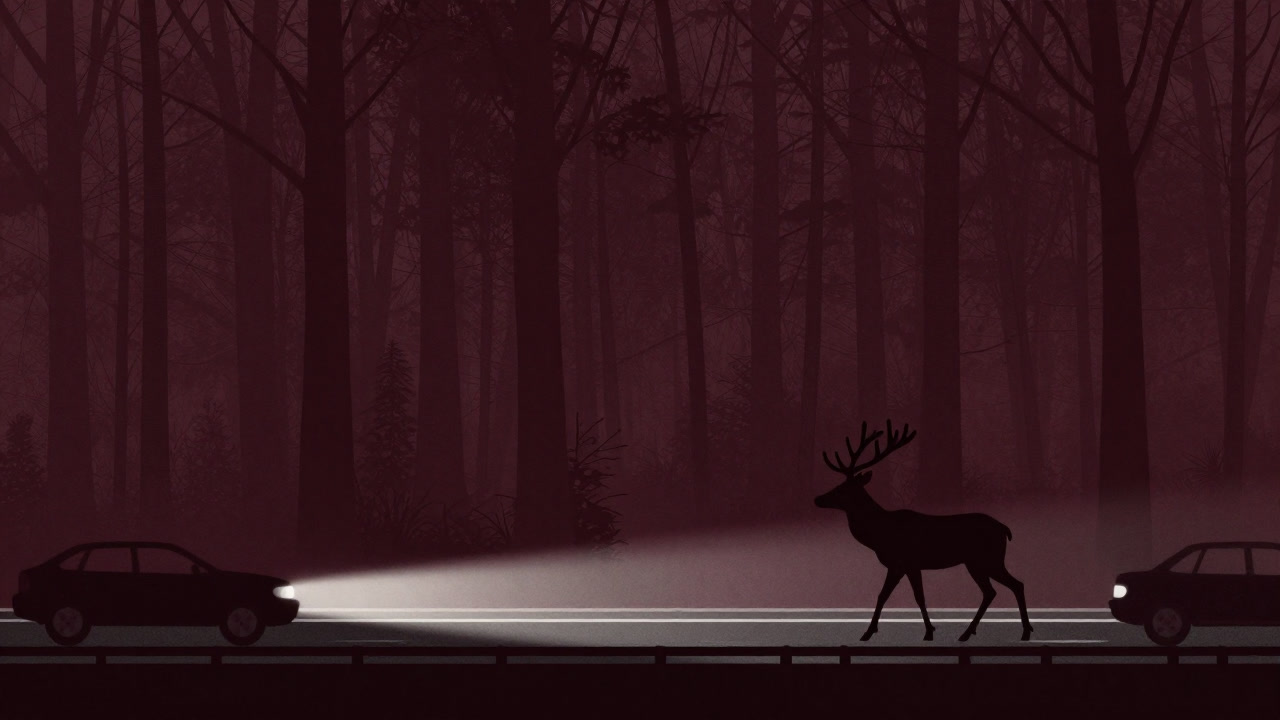
A wildlife corridor is humanity’s one-way channel designed to patch over the fractures we’ve inflicted upon ecosystems. When roads and urban sprawl cleave habitats into disconnected islands, animals must funnel through these painted paths as if backtracking on a freeway. Signposts present a pastoral walkway, yet the symphony of car engines scores the reluctant passage of wildlife. These green bridges erected in the name of conservation often feel like token gestures, a convenient alibi for development. It is an infrastructure laced with irony, eloquently speaking to the chasm between ecological idealism and human reality.
Definitions
- A forced footpath for animals trying to escape habitat fragmentation.
- An escape route for wildlife installed between roads and urban sprawl.
- A green alibi device built under the guise of conservation for the benefit of animals.
- An imperfect bridge over highways serving as a patience trial for wildlife.
- A traffic policy laden with human ego that manages wild animal migrations.
- A hospitable lane for animals to cross human domains, free of charge.
- A stage prop where car noise steals the show despite claims of ecological connectivity.
- An artificial green strip adorning fantasies of interspecies interaction.
- An infrastructure guaranteed to appear in presentations on natural recovery for aesthetic appeal.
- A human self-satisfaction project masquerading as a celebration of animal freedom.
Examples
- “Oh look, they’ve built a new wildlife corridor. A token of kindness for animals, right?”
- “Roadwork again? Oh, that’s just carving out sparse greenery for the wildlife corridor.”
- “Deer streaming across sounds nice, but who fixes the traffic jams afterward?”
- “What lies beyond the wildlife corridor? Just another housing development.”
- “That green bridge might delight photographers more than wildlife.”
- “Seen the corridor blueprints? They’re all straight lines to suit human whims.”
- “Bears on a stroll? More like a concert of car honks in their ears.”
- “They claim it’s for wildlife, but taxpayers foot the bill, right?”
- “Think of it as a new scenic walkway; at least the name sounds nature-friendly.”
- “The wildlife corridor is the latest eco buzzword.”
- “They call it safe, but you emerge straight onto a highway.”
- “Reason for installation? It looks great in meeting presentations.”
- “The sign next to the corridor needs more animal-centric PR.”
- “Some say it’s just a set for the Environment Ministry’s photo ops.”
- “Animals must feel stressed, cramped in those narrow passages.”
- “If it’s good enough for them, I’d love that commute every morning.”
- “Wildlife corridor? To wildlife it’s just another green bridge.”
- “Another environmental project? How about repairing what we broke first?”
- “That promo video with animals as narrators is priceless.”
- “Hope their crossing point doesn’t become the next traffic hotspot.”
Narratives
- In city planning presentations, the wildlife corridor is always the belle of the ball, draped in florid rhetoric.
- Freshly installed corridors reeked of machinery oil and asphalt, brimming with naïve romance.
- The so-called wildlife corridor is nothing more than an art installation to soothe human guilt.
- Local residents welcome animal crossings but must grow accustomed to nightly drone of exhaust.
- During planning, they speak of safe crossings for wildlife; on-site, only fences and pavement greet the eyes.
- Experts spend hours at conferences championing ecological continuity as a righteous cause.
- Yet on the ground, deer are often seen simply leaping over the corridor.
- Politicians boast of its installation, but no one watches the surveillance footage.
- Environmental NGOs issue press releases of joy, while animals glance at surveying equipment.
- The corridor, in name alone, is a magical spell that erases the violence of development.
- The roar of construction vehicles played as the theme song of conservation through the night.
- Tourists visiting the corridor encountered no wildlife, returning only with smartphone snapshots.
- Stakeholders justify their development acts by believing the corridor truly serves animals.
- Roads for trucks multiplied under the guise of regular inspections.
- Passing counts are recorded in surveillance reports, but no one asks whether they’re animals or machinery.
- After ribbon-cutting the corridor, only a photo panel remained for commemorative shots.
- Ultimately, the corridor exists more for human conscience than for wildlife.
- Benches beside the corridor are ironically labeled for human visitors.
- One night, lights installed in the corridor startled a wild owl.
- The corridor is never truly complete; another repair plan is always on the horizon.
Related Terms
Aliases
- Beast Backtrack Lane
- Mole Path
- Eco Escape Tunnel
- Forest Crossing Gate
- Green Meanderway
- Animal Expressway
- Wild Overpass
- Green Alibi
- Primal Parkway
- Animal Smuggle Route
- Fake Eco Road
- Wildlife Stress Test Site
- Nature’s Dummy Lane
- Wild Relay Zone
- Eco Alibi Track
- Green Pass Spectacle
- Pastoral Divide
- Creature Comfort Corridor
- Beastly Byway
- Endless Green Maze
Synonyms
- Animal Superhighway
- Wildlife Byway
- Creature Crossing Bridge
- Corridor Hospitality
- Green Redundant Zone
- Wildlife Priority Lane
- Forest Skip Path
- Creature Safari Road
- Green Trap
- Promenade Impact
- Ecological Presence Zone
- Animal Connect
- Forest Escort
- Wild Express
- Green Blanket
- Nature’s Lobby
- Animal Pocket
- Living Tunnel
- Green Nostalgia
- Ecological Route
Use the share button below if you liked it.
It makes me smile, when I see it.